
 By zarnish zarlish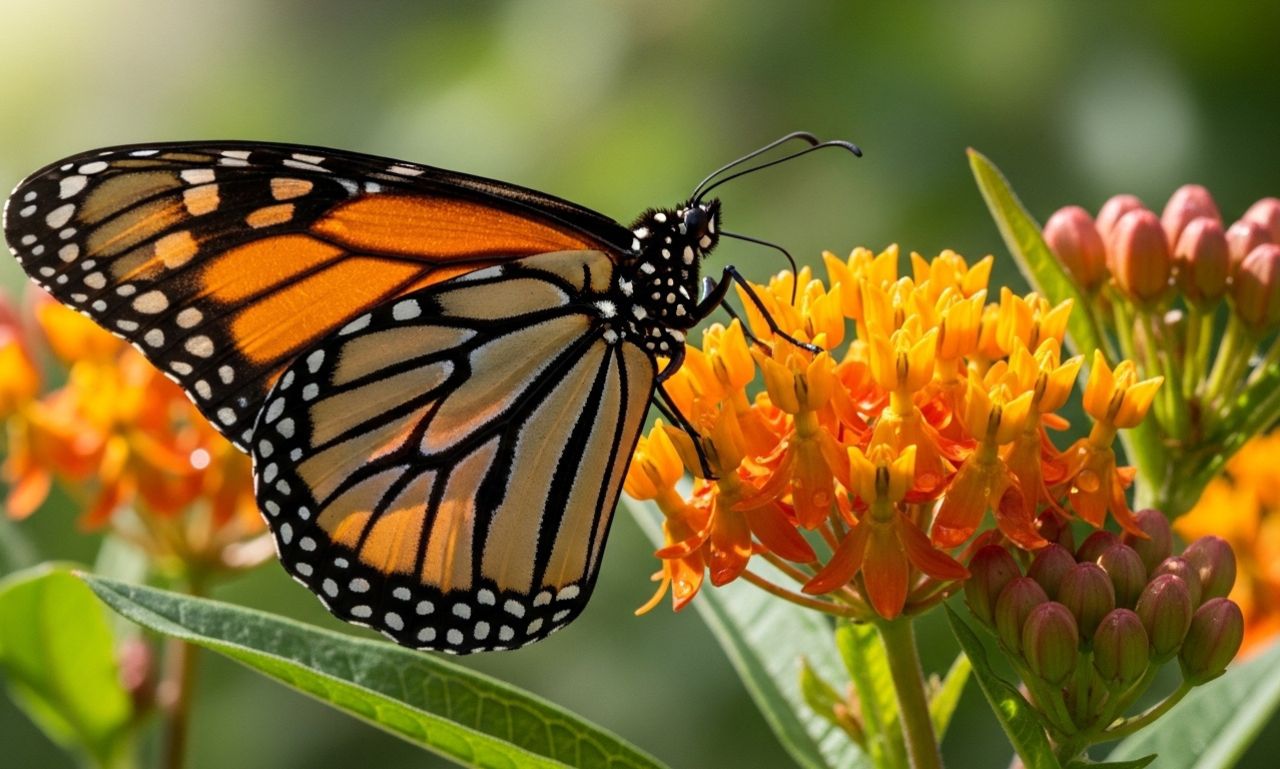
The Monarch butterfly (Danaus plexippus) is one of the most recognizable and admired butterflies in the world. Known for its striking orange-and-black wings and remarkable long-distance migration, the monarch butterfly has become a powerful symbol of transformation, resilience, and environmental conservation. Native to North America but now found in many parts of the world, this species plays an important role in ecosystems as a pollinator.
Physical Characteristics
Monarch butterflies are easily identified by their bright orange wings with black veins and white spots along the edges. Their wingspan usually ranges from 3.5 to 4 inches (about 9–10 cm), making them medium-sized butterflies.
Male and female monarchs look very similar, but males have small black scent glands on their hind wings, which females lack. These glands release pheromones during mating.
Another interesting feature is that monarch caterpillars have striped bodies with black, yellow, and white bands, making them easy to recognize before they transform into butterflies.
Life Cycle
Like all butterflies, the monarch goes through complete metamorphosis, which includes four stages:
-
Egg – Female monarchs lay tiny eggs on milkweed plants.
-
Larva (Caterpillar) – The caterpillar feeds mainly on milkweed leaves and grows rapidly.
-
Pupa (Chrysalis) – The caterpillar forms a jade-green chrysalis where transformation occurs.
-
Adult Butterfly – The fully developed butterfly emerges and begins its life of feeding and reproduction.
This entire cycle typically takes about 3–5 weeks, depending on environmental conditions.
Migration Phenomenon
One of the most fascinating traits of the monarch butterfly is its extraordinary migration. Every year, millions of monarchs travel thousands of kilometers between breeding and wintering areas.
For example, many North American monarchs migrate from the United States and Canada to wintering forests in Mexico. This journey can cover up to 3,000 miles (4,800 km).
What makes this migration even more remarkable is that multiple generations complete the round trip. The butterflies that return north in spring are not the same individuals that started the journey months earlier.
Diet and Habitat of Monarch Butterfly
Adult monarch butterflies feed primarily on nectar from flowers, including milkweed, goldenrod, and asters. Nectar provides the energy they need for migration and reproduction.
The monarch caterpillar, however, depends almost entirely on milkweed plants. Milkweed contains toxic chemicals that the caterpillars absorb, making both the caterpillars and adult butterflies poisonous to predators.
Monarchs thrive in a variety of habitats such as:
-
Meadows
-
Fields
-
Gardens
-
Roadsides
-
Grasslands
Any area with flowering plants and milkweed can support monarch populations.
Ecological Importance of Monarch Butterfly
Monarch butterflies are valuable pollinators. As they move from flower to flower collecting nectar, they transfer pollen and help plants reproduce. This contributes to the health of many ecosystems and agricultural systems.
In addition, monarchs serve as indicators of environmental health, meaning changes in their population often reflect broader ecological changes.
Conservation Status and Threats
In recent decades, monarch butterfly populations have declined due to several factors:
-
Habitat loss, especially the disappearance of milkweed plants
-
Pesticide use in agriculture
-
Climate change affecting migration patterns
-
Deforestation in wintering areas
Conservation efforts encourage people to plant milkweed and nectar-rich flowers to help support monarch populations.
Organizations such as the World Wildlife Fund promote habitat protection and migration corridor conservation to ensure the survival of this iconic species.
Conclusion on Monarch Butterfly
The monarch butterfly is not only beautiful but also scientifically fascinating. Its vibrant wings, complex life cycle, and incredible migration journey make it one of the most extraordinary insects in the natural world. Protecting monarch butterflies and their habitats helps preserve biodiversity and ensures that future generations can continue to witness this remarkable species.