
 By zarnish zarlish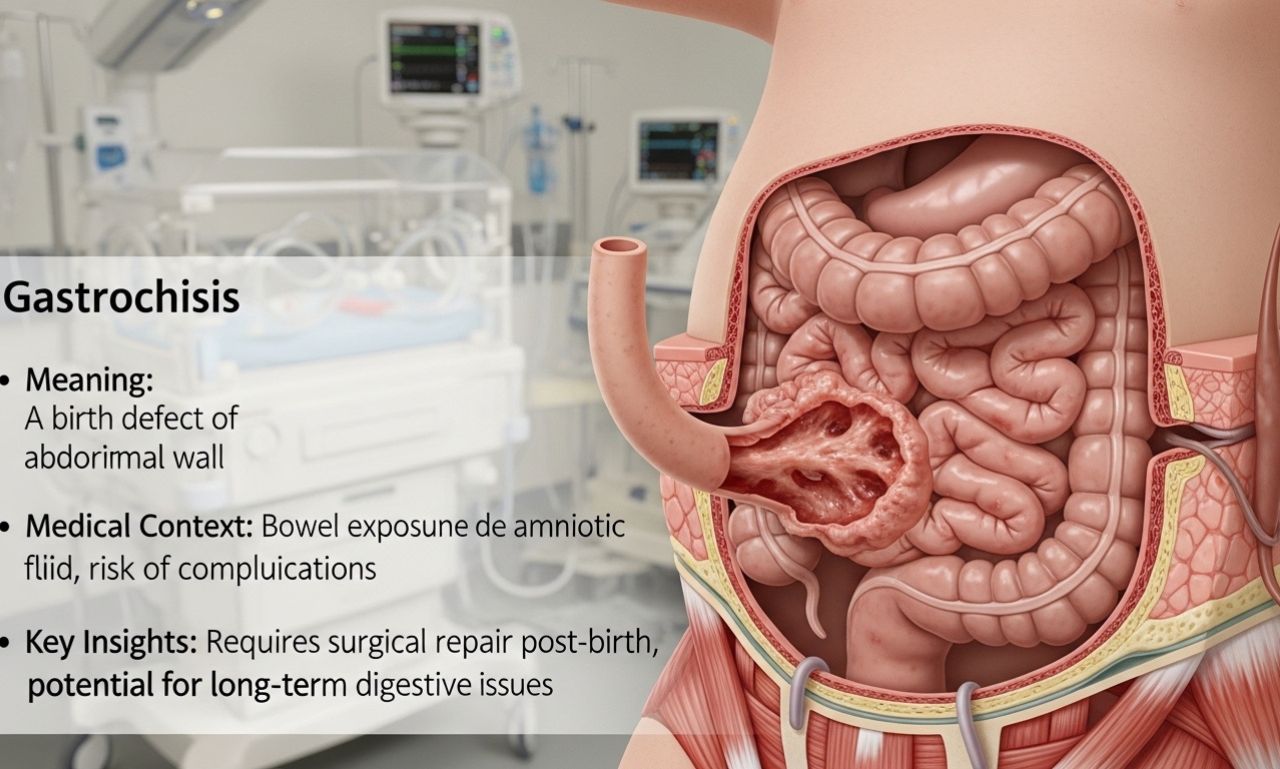
The term “gastroshiza” appears to be a variation or misspelling of the medical condition gastroschisis, a serious congenital defect affecting newborns. While “gastroshiza” is not a formally recognized term in medical literature, it is often used informally or mistakenly when referring to this condition. Understanding its correct context is essential for clarity, especially in healthcare and educational discussions.
What Is Gastroshiza?
“Gastroshiza” is most commonly associated with gastroschisis, a birth defect in which a baby is born with the intestines (and sometimes other organs) outside of the body through a hole in the abdominal wall, usually near the belly button.
This condition requires immediate medical attention after birth and is typically treated with surgery.
Causes and Risk Factors
The exact cause of gastroschisis (often referred to as “gastroshiza”) is not fully understood, but several risk factors have been identified:
-
Young maternal age (especially mothers under 20)
-
Poor nutrition during pregnancy
-
Exposure to certain environmental factors
-
Smoking or substance use during pregnancy
It is important to note that the condition is not usually inherited, and most cases occur without a clear genetic cause.
Symptoms and Diagnosis
During Pregnancy
-
Detected through ultrasound imaging
-
Elevated levels of certain proteins in maternal blood tests
After Birth
-
Visible intestines outside the baby’s abdomen
-
Swelling or irritation of exposed organs
Early diagnosis allows doctors to plan proper treatment immediately after delivery.
Treatment and Management
1. Surgical Intervention
The primary treatment is surgery to:
-
Place the organs back inside the abdomen
-
Close the opening in the abdominal wall
In some cases, this is done in stages if the organs cannot be returned all at once.
2. Neonatal Care
Babies with this condition often require:
-
Intensive care unit (NICU) support
-
Intravenous nutrition
-
Careful monitoring for infections
Prognosis and Recovery of Gastroshiza
With modern medical care, the survival rate for infants with gastroschisis is high, especially when treated promptly. However, recovery may take weeks or months, depending on:
-
Severity of the condition
-
Presence of complications
-
Overall health of the baby
Long-term outcomes are generally positive, although some children may experience digestive issues early in life.
Why the Confusion Around “Gastroshiza”?
The term “gastroshiza” likely arises from:
-
Misspellings of “gastroschisis”
-
Phonetic variations in pronunciation
-
Informal or non-medical usage online
Such variations can lead to misunderstandings, especially when searching for medical information. Using the correct term ensures access to accurate and reliable resources.
Importance of Accurate Medical Terminology
Using precise language in healthcare is critical because it:
-
Prevents confusion
-
Improves communication among professionals
-
Ensures accurate diagnosis and treatment
-
Helps patients find trustworthy information
If you encounter unfamiliar terms like “gastroshiza,” it’s always a good idea to verify them with credible medical sources.
Conclusion on Gastroshiza
“Gastroshiza” is not an officially recognized medical term but is commonly linked to gastroschisis, a treatable congenital condition. Understanding the correct terminology, causes, and treatment options is essential for awareness and proper care. With advances in neonatal medicine, most babies affected by this condition can go on to live healthy lives.