
 By zarnish zarlish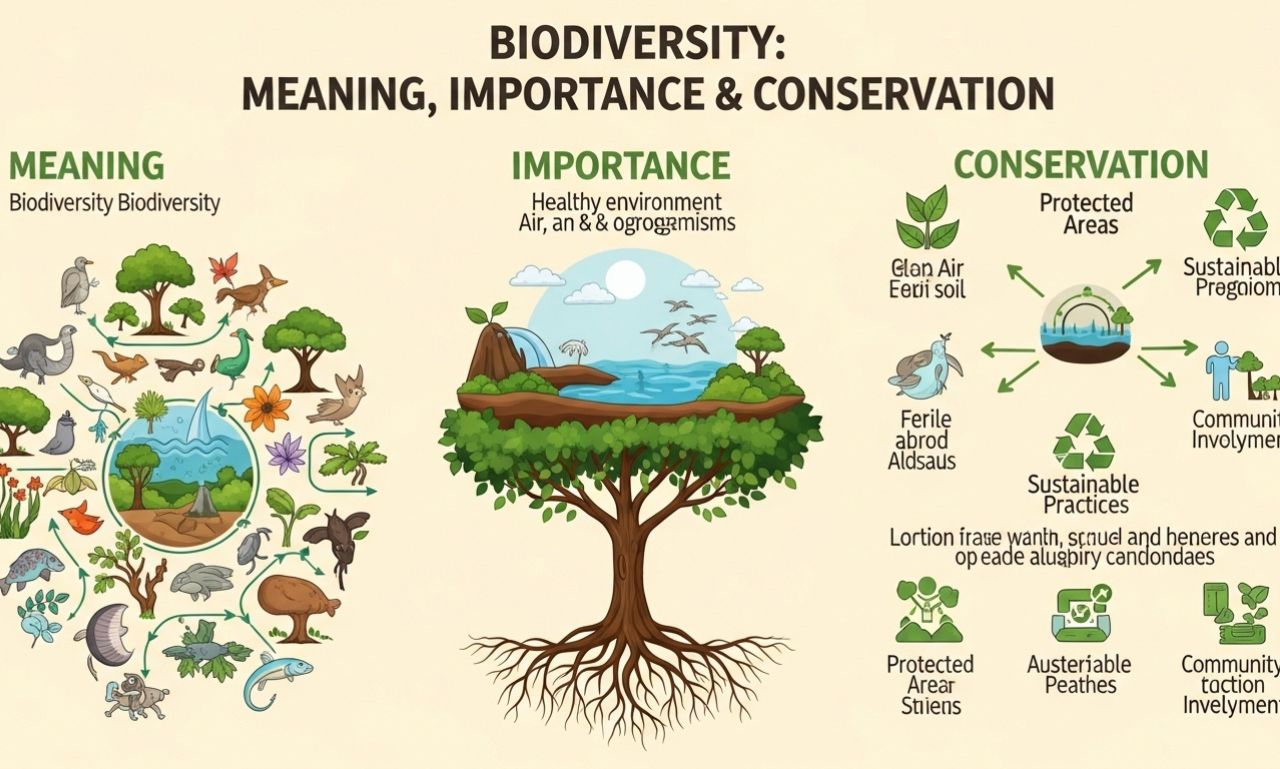
Biodiversity refers to the variety of life on Earth, including all plants, animals, microorganisms, and the ecosystems they form. The term combines the words biological and diversity and describes how different species live and interact in nature.
From tiny bacteria to massive forests and oceans, bio diversity forms the foundation of life on our planet. It supports ecosystems that provide food, clean air, water, and many other resources essential for human survival.
What Is Biodiversity?
Bio diversity represents the different forms of life and their relationships with the environment. It includes every living organism and the natural systems they create.
Scientists usually divide biodiversity into three main levels:
1. Genetic Diversity
Genetic diversity refers to the variation in genes within a species. These differences help species adapt to environmental changes and diseases.
For example, different varieties of crops such as rice or wheat show genetic diversity that helps farmers grow food in different climates.
2. Species Diversity
Species diversity describes the number of different species living in a particular area. A region with many species—such as tropical rainforests or coral reefs—is considered highly diverse.
3. Ecosystem Diversity
Ecosystem diversity refers to the variety of ecosystems in a region, including forests, deserts, oceans, wetlands, and grasslands.
Each ecosystem supports unique forms of life and environmental processes.
Importance of Biodiversity
Biodiversity plays a crucial role in maintaining the health of the planet and supporting human life.
Environmental Stability
Healthy ecosystems with diverse species are more stable and better able to recover from natural disasters, climate changes, and disease outbreaks.
Food and Agriculture
Many crops, livestock, and fisheries depend on bio diversity. Different species provide essential nutrients and food resources.
Medicine and Health
Many modern medicines come from plants, animals, and microorganisms. Bio diversity increases the chances of discovering new treatments and drugs.
Ecosystem Services
Bio diversity helps ecosystems perform essential services such as:
-
Pollination of crops
-
Soil fertility
-
Water purification
-
Climate regulation
These natural services support human societies and economies worldwide.
Major Threats to Biodiversity
Despite its importance, bio diversity is declining due to several human activities.
Habitat Loss
Deforestation, urban expansion, and agriculture destroy natural habitats, leaving many species without places to live.
Climate Change
Rising temperatures and changing weather patterns affect ecosystems and force many species to migrate or adapt.
Pollution
Air, water, and soil pollution can damage ecosystems and harm wildlife.
Overexploitation
Overfishing, illegal hunting, and excessive resource extraction reduce populations of many species.
Invasive Species
Non-native species introduced to new environments can disrupt local ecosystems and threaten native species.
Biodiversity Hotspots
Some areas of the world contain exceptionally high levels of biodiversity. These regions are known as bio diversity hotspots.
Examples include:
-
Tropical rainforests in South America
-
Coral reefs in the Pacific and Indian Oceans
-
Forest regions in Southeast Asia
-
Parts of Africa and Madagascar
Protecting these areas is critical because they contain a large percentage of Earth’s species.
Conservation of Biodiversity
To protect bio diversity, scientists, governments, and organizations work on conservation strategies.
Protected Areas for Biodiversity
National parks, wildlife reserves, and marine protected areas help preserve natural habitats.
Sustainable Resource Use
Using natural resources responsibly ensures they remain available for future generations.
Environmental Education for Biodiversity
Teaching communities about biodiversity encourages people to protect ecosystems.
Restoration Projects
Programs that restore forests, wetlands, and coral reefs help rebuild damaged ecosystems.
Role of Individuals in Protecting Biodiversity
Every person can contribute to bio diversity conservation through simple actions:
-
Reducing waste and pollution
-
Supporting conservation organizations
-
Protecting natural habitats
-
Planting trees and supporting green spaces
-
Using sustainable products
Small efforts by individuals can collectively make a significant difference.
Conclusion on Biodiversity
Biodiversity is the foundation of life on Earth, supporting ecosystems that provide essential resources and services for all living beings. From genetic variation within species to diverse ecosystems around the globe, biodiversity ensures environmental balance and resilience.
However, increasing environmental pressures threaten this natural wealth. Through conservation efforts, sustainable practices, and greater awareness, humanity can work toward protecting biodiversity and preserving the planet’s rich variety of life for future generations.