
 By zarnish zarlish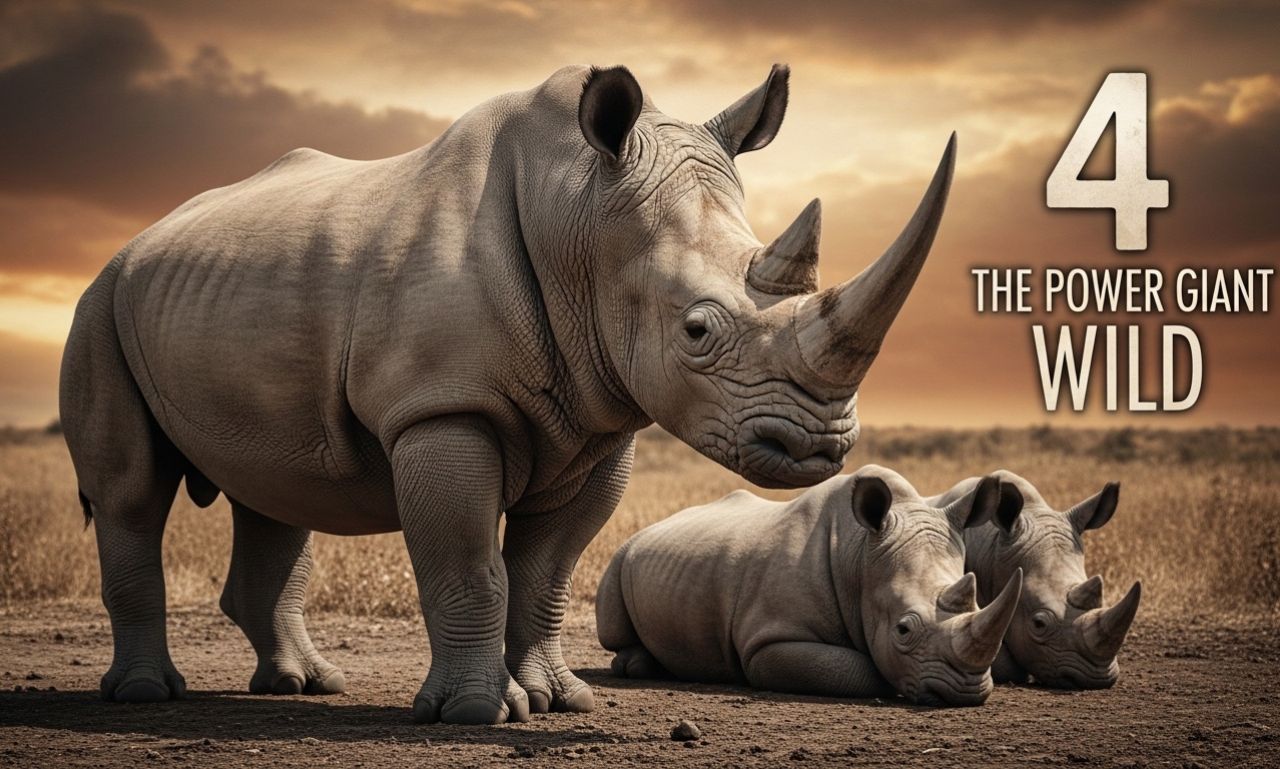
The Rhinoceros, often referred to simply as the rhino, is one of the largest and most impressive land animals on Earth. Known for its thick skin and distinctive horn, the rhino has roamed the planet for millions of years. Today, these magnificent animals are considered endangered due to habitat loss and illegal poaching.
Rhinos play an important role in maintaining the balance of their ecosystems, making their conservation vital for wildlife protection.
Types of Rhinoceros
There are five species of rhinos found in Africa and Asia. Each species has unique features and habitats.
1. White Rhinoceros
The White Rhi noceros is the largest rhi no species. It is mainly found in southern Africa and is known for its wide mouth, which is adapted for grazing grass.
2. Black Rhinoceros
The Black Rhinoceros lives in eastern and southern Africa. It has a pointed lip that helps it feed on leaves and branches.
3. Indian Rhinoceros
The Indian Rhinoceros is found in parts of India and Nepal. It has thick, armor-like skin that gives it a unique appearance.
4. Javan Rhinoceros
The Javan Rhinoceros is one of the rarest large mammals in the world, with only a small population surviving in Indonesia.
5. Sumatran Rhinoceros
The Sumatran Rhi noceros lives in Southeast Asia and is critically endangered.
Physical Characteristics
Rhinos are massive animals with powerful bodies and thick skin that can be up to 5 centimeters thick. Despite their heavy appearance, rhinos can run at speeds of up to 50 km/h (31 mph).
Key characteristics include:
-
One or two horns made of keratin
-
Thick protective skin
-
Large, strong legs
-
Excellent sense of smell and hearing
However, rhinos have relatively poor eyesight.
Habitat and Distribution of Rhino
Rhinos live in a variety of habitats, including:
-
Grasslands
-
Savannas
-
Tropical forests
-
Wetlands
African rhinos are mainly found in countries such as South Africa, Kenya, and Namibia. Asian species live primarily in India and Indonesia.
Diet and Behavior of Rhino
Rh inos are herbivores, meaning they eat only plants. Their diet typically includes:
-
Grass
-
Leaves
-
Branches
-
Fruits
They spend much of their day grazing or browsing. Rhinos are usually solitary animals, though some species form small groups.
Threats to Rhinos
Rhinos face serious threats that have drastically reduced their populations.
Poaching: The biggest threat is illegal hunting for rhi no horns, which are falsely believed to have medicinal value in some cultures.
Habitat Loss: Human development and agriculture have destroyed large areas of rhi no habitat.
Climate and Environmental Changes: These can affect the availability of food and water.
Conservation Efforts
Many organizations and governments are working to protect rhinos through:
-
Anti-poaching patrols
-
Wildlife reserves and national parks
-
Breeding programs
-
International bans on rhino horn trade
Conservation groups such as the World Wide Fund for Nature actively support rhino protection initiatives.
Why Rhinos Matter
Rhinos are considered keystone species, meaning they help shape their ecosystems. By grazing vegetation, they help maintain grassland habitats that support many other animals.
Protecting rhinos also helps preserve biodiversity and the health of natural ecosystems.
Conclusion on Rhino
The rhi no is a symbol of strength, resilience, and the beauty of wildlife. However, these ancient animals are facing serious threats from poaching and habitat destruction. Through global conservation efforts and increased awareness, there is hope that rhi no populations can recover and continue to roam the wild for generations to come.