
 By zarnish zarlish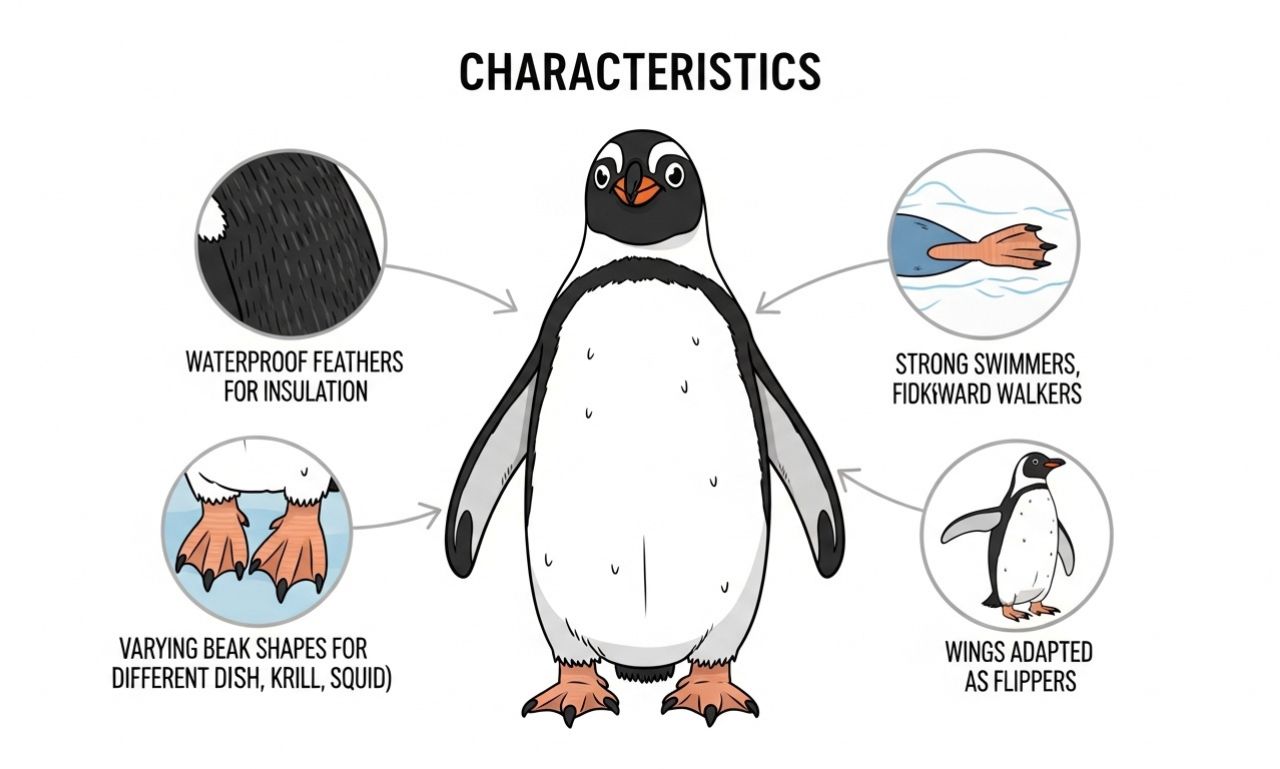
The penguin is one of the most recognizable birds in the world. Known for its black-and-white coloring and upright walking style, the penguin is a flightless seabird that lives mainly in the Southern Hemisphere. Penguins are excellent swimmers and spend much of their lives in the ocean hunting for food.
These fascinating birds have adapted to some of the coldest environments on Earth, especially in regions around Antarctica. Their social behavior, unique body structure, and survival strategies make them a popular subject of scientific research and wildlife documentaries.
Physical Characteristics
Penguins have several unique features that help them survive in marine environments.
Streamlined Body
Their bodies are shaped to reduce resistance in water, allowing them to swim quickly and efficiently.
Flipper-Like Wings
Instead of wings for flying, penguins have strong flippers that act like paddles, helping them move swiftly underwater.
Thick Feathers and Fat Layer
Penguins stay warm thanks to dense waterproof feathers and a thick layer of fat beneath their skin.
Black and White Coloration
This coloring provides camouflage in the water. From above, their dark backs blend with the ocean depths, and from below, their white bellies blend with the bright surface.
Where Penguins Live
Most people associate penguins with Antarctica, but they actually live in many parts of the Southern Hemisphere.
Common penguin habitats include:
-
Antarctica
-
Southern Africa
-
South America
-
Australia
-
New Zealand
-
Subantarctic islands
Some species live in extremely cold environments, while others inhabit temperate coastal regions.
Different Penguin Species
Scientists have identified around 18 species of penguins, each with unique traits and habitats.
Notable species include:
Emperor Penguins
The largest penguin species, famous for surviving harsh Antarctic winters.
King Penguins
Second in size, known for their bright orange neck patches.
Adélie Penguins
Common in Antarctica and known for their energetic behavior.
Gentoo Penguins
Recognizable by the white stripe across their heads and their fast swimming speed.
Little Blue Penguins
The smallest penguin species, found in Australia and New Zealand.
Each species has evolved specific adaptations suited to its environment.
Diet and Hunting
Penguins are carnivorous and mainly feed on marine animals.
Their diet typically includes:
-
Fish
-
Krill
-
Squid
-
Small crustaceans
They hunt underwater and can dive to impressive depths. Some species are capable of diving more than 500 meters in search of food.
Social Behavior
Penguins are highly social animals and often live in large colonies that may contain thousands of individuals.
These colonies help penguins:
-
Protect themselves from predators
-
Stay warm in cold climates
-
Raise their young more effectively
Penguins also communicate with each other using unique calls that help mates and parents recognize one another among thousands of birds.
Reproduction and Parenting
Penguins are known for their remarkable parenting behavior.
During breeding season:
-
Penguins return to land to form breeding colonies.
-
Many species form monogamous pairs for the season.
-
The female lays one or two eggs.
-
Both parents take turns incubating the eggs and caring for the chicks.
In species like the Emperor pen guin, the male protects the egg on his feet under a warm skin fold during the harsh Antarctic winter.
Predators and Threats of Penguin
Although penguins are strong swimmers, they still face threats from predators.
Common predators include:
-
Seals
-
Killer whales
-
Sharks
-
Large seabirds (which may attack eggs or chicks)
In addition to natural predators, penguins face growing threats from human activity.
Conservation Challenges of Penguin
Many pen guin species are affected by environmental changes and human impact.
Major challenges include:
-
Climate change affecting sea ice
-
Overfishing reducing food supplies
-
Ocean pollution
-
Habitat disturbance
Conservation programs and wildlife protections aim to protect penguin populations and their ecosystems.
Interesting Facts About Penguins
-
Penguins can swim up to 15 miles per hour (24 km/h).
-
Some penguin colonies include hundreds of thousands of birds.
-
Penguins spend about half their lives in water and half on land.
-
They have waterproof feathers that help them stay dry and warm.
-
Certain species migrate long distances in search of food.
These facts highlight the impressive adaptability of these birds.
Conclusion on Penguin
The pen guin is a remarkable bird perfectly adapted for life in the ocean. With strong swimming abilities, social colonies, and unique parenting behaviors, pen guins have captured the fascination of people around the world.
However, environmental changes and human activities continue to challenge their survival. Protecting marine ecosystems and supporting conservation efforts will help ensure that future generations can continue to admire these incredible birds in the wild.