
 By admin
Key Takeaways
- Employers extensively review candidates’ online profiles and past behaviors during the hiring process.
- A positive reputation can enhance job prospects, while a negative one may hinder opportunities.
- Transparency and authenticity in online presence are crucial for maintaining a favorable reputation.
As competition intensifies in today’s job market, employees’ reputations have emerged as a deciding factor in recruitment. Beyond résumés and interviews, organizations are increasingly looking at a candidate’s digital footprint and legacy. This heightened scrutiny is a core component of employer branding strategies, as reputation can reflect on both the employee and the employer’s own image in the market.
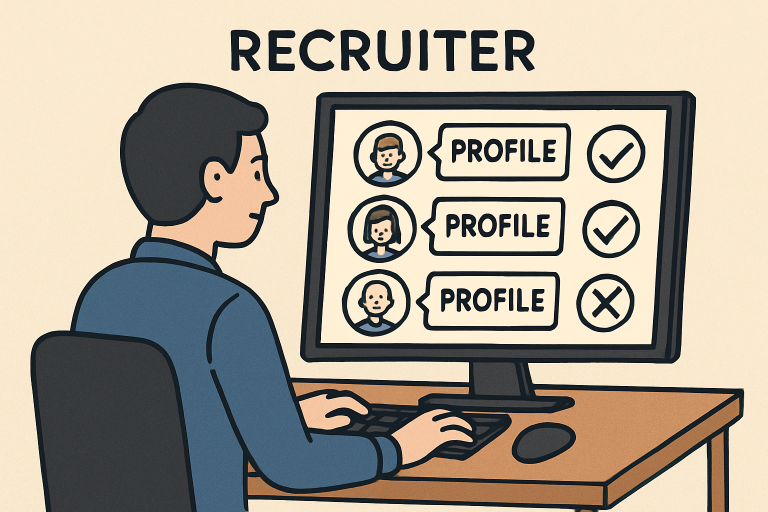
In modern recruitment, hiring managers assess candidates’ public personas through social networks and personal blogs, making reputational checks a standard practice. Employers prioritize not only technical skills but also candidates’ alignment with company values, as favorable reputations indicate reliability and congruence with organizational ethos. Evaluating candidates’ reputations offers insights into their potential behavior and interpersonal skills, thereby reducing the risk of culture clashes and misconduct and influencing hiring practices across various sectors.
The Rise of Online Vetting
The proliferation of social media and professional networking platforms has given recruiters robust tools for “online vetting,” the process of assessing candidates via digital channels. Employers can now form impressions about an individual’s professionalism, communication style, and values, often before any face-to-face interaction. According to a Forbes Business Council report, nearly half of Baby Boomers, and a significant proportion of Gen X and Millennials, weigh employee reviews and testimonials before even applying.
Impact of Personal Branding
Personal branding, the active management of one’s online and offline image, has become critical for job seekers. Candidates who engage in industry discussions, share their experiences on platforms like LinkedIn, and participate in thought leadership activities tend to establish credibility and expertise. This visibility can attract recruiters, who see a history of relevant engagement as a sign of commitment and reliability.
On the other hand, negative digital traces, such as inappropriate social media posts or evidence of unprofessional behavior, can quickly disqualify candidates, even if their resumes are otherwise impressive. Employers value those who understand the boundaries between personal and professional content online and act accordingly.
Employer Perception and Cultural Fit
Finding the right cultural fit often hinges on an employee’s reputation. Character, soft skills, and shared values are becoming as important as technical prowess. Companies look for individuals who will thrive in their work environment, not just fulfill a job description. Personality attributes, as gauged through references or public online interactions, can play a decisive role. This “vibe hiring” approach emphasizes not just what a person can do, but how well they align with the company and team dynamic.
Reputation Management Strategies
To maintain or enhance their employability, individuals should implement proactive strategies to protect and build their professional reputation:
- Regularly Audit Online Presence: Periodically review social media and professional profiles for outdated or potentially harmful content, and update them to showcase professionalism and growth.
- Engage in Continuous Learning: Pursue relevant certifications, skills development, and industry courses to show a commitment to ongoing professional advancement.
- Network Authentically: Build cooperative relationships and collaborate genuinely within your sector to strengthen credibility and generate positive endorsements.
Challenges in Reputation Assessment
Despite the benefits, online reputation assessments come with challenges. Misinterpretations of ambiguous content, reliance on outdated profiles, and the potential for personal biases all complicate the process. Candidates sometimes face judgment based on irrelevant or misunderstood information. Employers need to use digital reputation data as just one part of a holistic evaluation, complemented by interviews, reference checks, and professional background screening. Furthermore, workplace practices should foster open dialogue about reputation to help mitigate the risk of unfair assumptions.
Legal and Ethical Considerations
Scrutinizing candidates’ online presence raises legal and ethical questions. Businesses must be vigilant to avoid discriminatory or privacy-violating practices when evaluating applicants. Improper use of personal information can expose employers to lawsuits or regulatory penalties. Organizations should establish clear, unbiased policies for reputation assessments that ensure transparency and compliance with local and international employment regulations.
Conclusion
A candidate’s reputation is essential in today’s hiring landscape. Both job seekers and employers should care for and carefully evaluate how reputations are built and measured, prioritizing fairness and accuracy. By balancing online research with direct assessment, companies can make better-informed, equitable hiring decisions. As both the digital and professional worlds continue to converge, the ability to manage and interpret reputation will become even more central to the future of recruitment.