
 By zarnish zarlish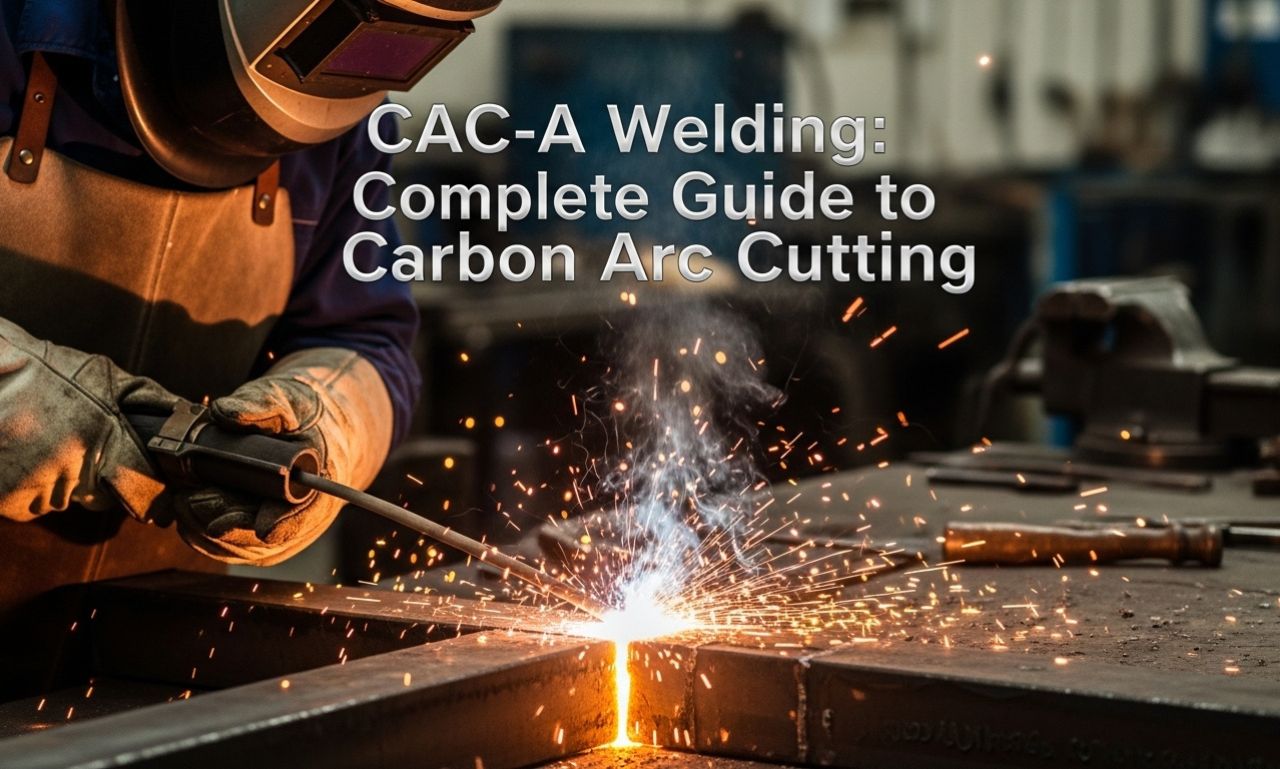
CAC-A welding, also known as Carbon Arc Cutting–Air (CAC-A), is a widely used industrial process for metal removal rather than metal joining. Unlike traditional welding methods that fuse metals together, CAC-A is primarily used for cutting, gouging, back-gouging, and defect removal in ferrous and non-ferrous metals.
This technique is commonly applied in heavy fabrication, shipbuilding, repair welding, and maintenance operations where speed, accuracy, and versatility are critical.
What Is CAC-A Welding?
CAC-A (Carbon Arc Cutting–Air) is a thermal metal removal process that uses a carbon or graphite electrode, an electric arc, and compressed air to melt and blow away metal from the workpiece.
The arc heats the metal to its melting point, while a high-velocity air jet removes the molten metal, creating a clean groove or cut.
How CAC-A Welding Works
The CAC-A process involves three main components:
-
Carbon/Graphite Electrode
Conducts the electrical arc and withstands extremely high temperatures. -
Power Source
Typically a DC welding power supply provides the necessary current. -
Compressed Air
Blows away molten metal to form precise grooves or cuts.
Step-by-Step Process:
-
An electric arc is struck between the carbon electrode and the metal surface
-
The intense heat melts the base metal
-
Compressed air removes the molten metal instantly
-
A groove, cut, or cavity is formed
Applications of CAC-A Welding
CAC-A welding is widely used across many industries due to its flexibility.
Common applications include:
-
Back-gouging weld joints
-
Removing defective welds
-
Preparing joints for re-welding
-
Cutting thick steel plates
-
Removing excess metal
-
Shipyard and heavy equipment repairs
Because it works on almost any metal, CAC-A is often chosen over mechanical grinding or machining.
Materials Suitable for CAC-A
CAC-A can be used on a wide range of materials, including:
-
Carbon steel
-
Stainless steel
-
Cast iron
-
Aluminum
-
Copper alloys
-
Nickel alloys
This versatility makes CAC-A one of the most adaptable metal removal processes.
Advantages of CAC-A
CAC-A offers several benefits over traditional cutting and gouging methods.
Key advantages:
-
High metal removal rate
-
Works on most metals
-
Minimal joint contamination
-
Portable equipment
-
Ideal for field repairs
-
Faster than grinding
Limitations of CAC-A
Despite its benefits, CAC- A also has some limitations.
Disadvantages include:
-
Produces high noise levels
-
Generates sparks and molten metal spray
-
Requires skilled operators
-
Not suitable for precision cutting
-
Needs proper ventilation and safety gear
Safety Precautions in CAC-A Welding
Safety is critical when performing CAC-A welding.
Essential safety measures:
-
Wear protective gloves and face shields
-
Use flame-resistant clothing
-
Ensure proper ventilation
-
Protect nearby equipment from sparks
-
Use hearing protection due to noise
-
Follow proper electrical safety guidelines
CAC- A vs Traditional Welding
| Feature | CAC-A Welding | Traditional Welding |
|---|---|---|
| Purpose | Metal removal | Metal joining |
| Electrode | Carbon/graphite | Metal filler |
| Air Supply | Required | Not required |
| Precision | Moderate | High |
| Speed | Very fast | Moderate |
Industries That Use CAC-A
CAC- A is commonly used in:
-
Shipbuilding
-
Oil and gas
-
Construction
-
Power plants
-
Automotive repair
-
Heavy manufacturing
Why CAC- A Welding Is Important
CAC-A plays a crucial role in modern fabrication and repair. Its ability to quickly remove metal, fix welding defects, and prepare joints makes it indispensable in industrial settings where downtime must be minimized.
Conclusion
CAC -A welding is a powerful and efficient carbon arc cutting and gouging method used across many industries. While it is not designed for metal joining, its speed, versatility, and effectiveness make it one of the most important metal removal processes in welding and fabrication.
Understanding CAC- A welding helps professionals choose the right technique for repair, preparation, and heavy-duty metalworking tasks.