
 By zarnish zarlish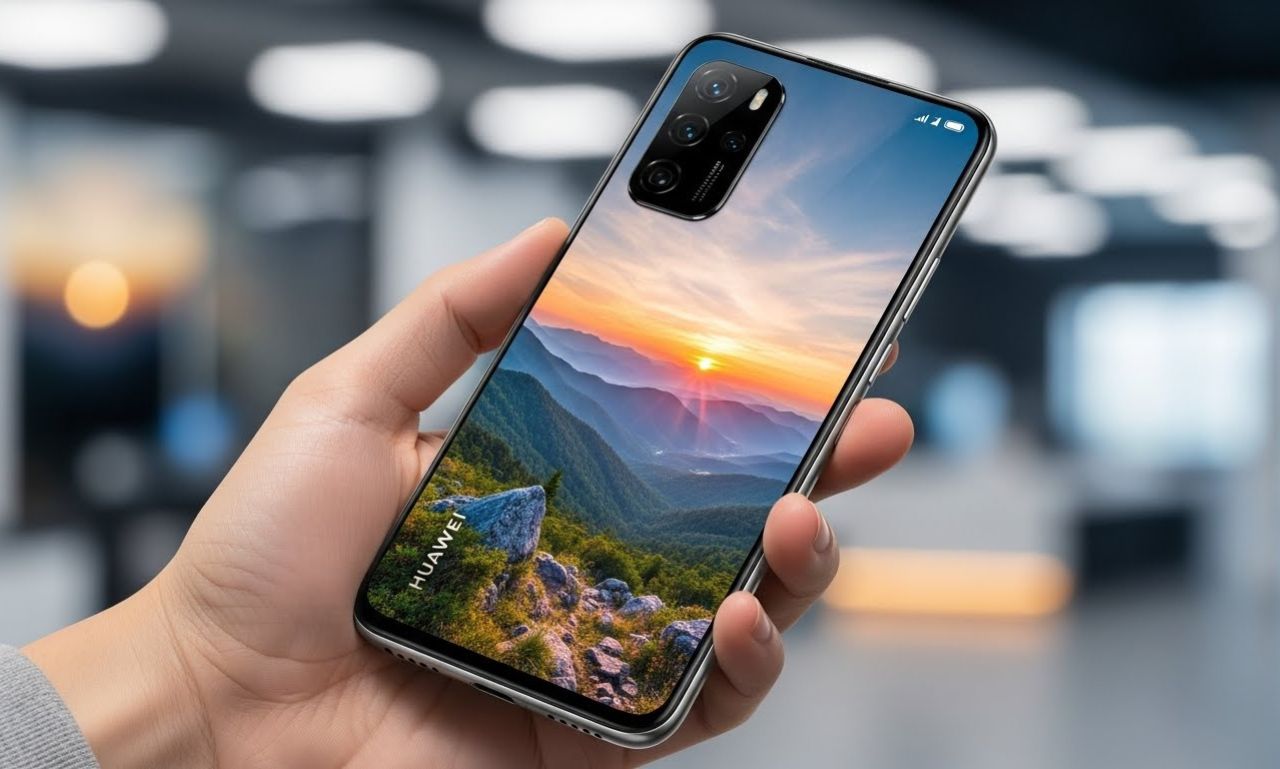
The Huawei P40 arrived on the global stage on March 26, 2020, as part of Huawei’s premium P-series lineup. It was designed to balance flagship performance with elegant design and advanced photography, appealing to users who wanted top-tier hardware without the ultra-premium price tag of the Pro models.
📱 Design & Display
The P40 sports a sleek and compact form factor with a 6.1-inch OLED display that delivers bright, vivid colors and sharp text in a 1080 × 2340 resolution. It has a traditional flat screen rather than the curved edges seen on its Pro siblings, making it comfortable to hold and pocket-friendly.
Its build includes a glass front and back with an aluminum frame, and it carries IP53 dust and splash resistance—a practical touch for everyday use.
⚙️ Performance Under the Hood
Powered by Huawei’s own HiSilicon Kirin 990 5G chipset, the P40 delivers solid performance for multitasking, media, and gaming. It typically ships with 8 GB of RAM and 128 GB of storage, with some regions offering a 256 GB option. Storage can be expanded up to 256 GB via Nano Memory cards.
The phone runs Android 10 with EMUI 10.1 on top, backed by Huawei Mobile Services (HMS) instead of Google Mobile Services. This means popular Google apps like the Play Store, Maps, and Gmail aren’t available by default, though alternatives and workarounds exist.
📸 Camera Capabilities
One of the biggest strengths of the Huawei P40 is its Leica-tuned triple camera system:
-
50 MP Ultra Vision wide lens
-
8 MP telephoto lens with 3× optical zoom
-
16 MP ultra-wide lens
The camera setup excels in detail, dynamic range, and versatility—from sweeping landscapes to portrait shots. With Optical Image Stabilization (OIS) and advanced autofocus systems, photography is one of the P40’s defining features.
On the front, a 32 MP selfie camera with depth-sensing tech delivers high-resolution portraits and clear video calls.
🔋 Battery & Charging of Huawei P40
Despite its compact body, the P40 packs a 3800 mAh battery that lasts a full day for most users. Fast charging at 22.5 W helps top up quickly, though wireless charging isn’t supported.
Reviews highlighted its surprisingly strong battery endurance—some users reported lasting well over a day under typical use.
📡 Connectivity & Sensors
The P40 supports 5G (sub-6GHz) for future-proof connectivity, along with Bluetooth 5.1, Wi-Fi, NFC, and GPS. An under-display fingerprint sensor and advanced face-unlock tech round out its biometric security suite.
📌 Software Experience & Ecosystem of Huawei P40
A central talking point for the P40 has been its software environment. Due to ongoing trade restrictions at launch, the phone ships without Google Mobile Services. Instead, Huawei promotes its AppGallery and Petal search solutions, and users can sideload many popular apps. While basic functionality is strong, certain Google-dependent apps and services may not work seamlessly.
🏁 Verdict on Huawei P40
The Huawei P40 remains a compelling choice for those who prioritize camera performance, design, and flagship-level hardware in a compact package. It delivers excellent everyday performance and photography, though the software ecosystem may be less familiar to users rooted in Google’s Android experience.
For buyers comfortable with Huawei’s app ecosystem or willing to explore alternatives, the P40 still stands as a solid smartphone even years after its launch.