
 By zarnish zarlish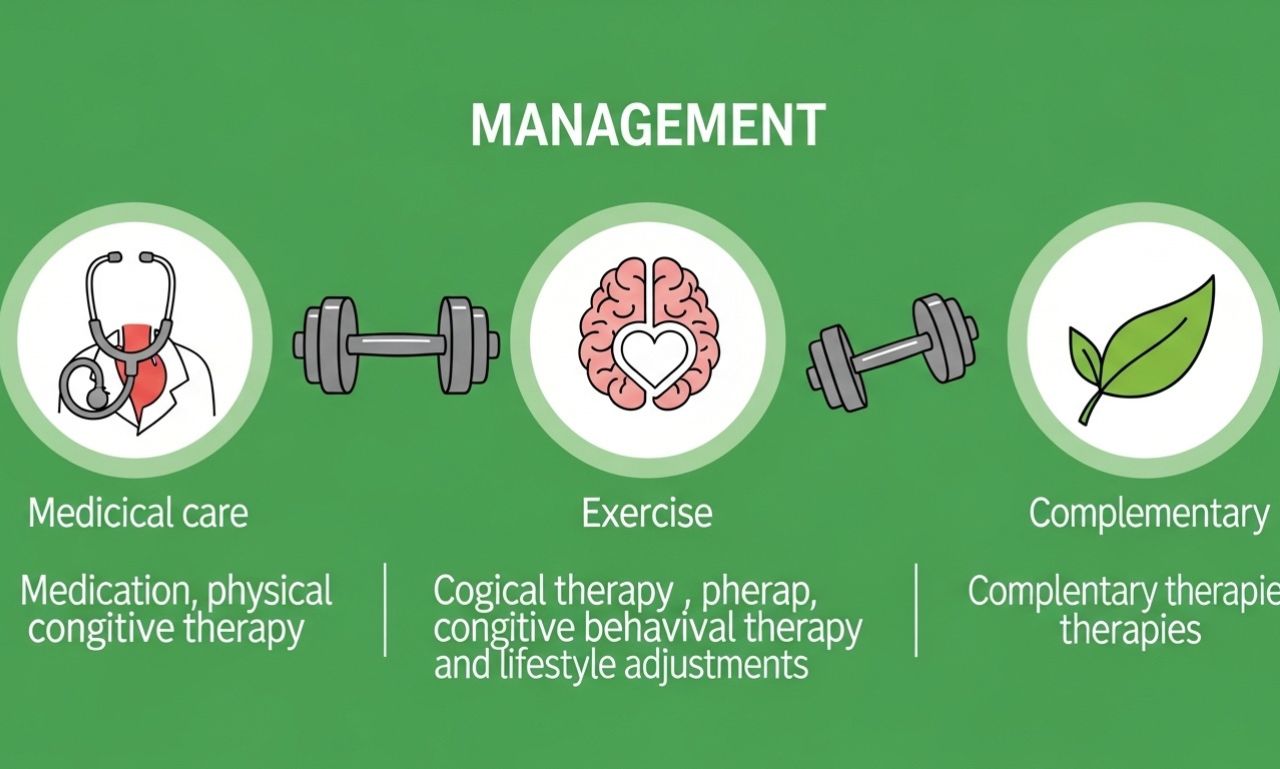
Inomyalgia is a relatively uncommon and often misunderstood term that appears to describe muscle-related pain or discomfort. While it is not widely recognized as a formal medical diagnosis in major clinical classifications, it is sometimes used informally or contextually to refer to conditions involving muscle inflammation, soreness, or chronic pain.
Understanding inomyalgia requires exploring its linguistic roots, possible interpretations, and how it relates to more established medical conditions such as myalgia and fibromyalgia.
Meaning and Etymology
The word inomyalgia can be broken down into parts:
- “Ino-”: Possibly derived from a prefix related to fibers or sinews
- “-myo-”: Refers to muscles
- “-algia”: Means pain
Together, the term broadly suggests pain in muscle fibers or muscular tissue.
Possible Medical Interpretation
Although inomyalgia is not a standard diagnosis, it is often used interchangeably or confused with:
- Myalgia – General muscle pain
- Fibromyalgia – A chronic condition characterized by widespread musculoskeletal pain
- Myositis – Inflammation of the muscles
In many contexts, inomyalgia may simply refer to localized or generalized muscle discomfort without a specific underlying disease.
Common Causes
Muscle pain (often labeled as inomyalgia) can arise from various factors, including:
1. Physical Strain
- Overexertion during exercise
- Heavy lifting or repetitive movements
2. Injury or Trauma
- Muscle tears
- Sprains or strains
3. Infections
- Viral infections like the flu
- Bacterial infections affecting muscle tissue
4. Chronic Conditions
- Fibromyalgia
- Autoimmune diseases
5. Lifestyle Factors
- Poor posture
- Lack of physical activity
- Stress and tension
Symptoms
The symptoms associated with inomyalgia can vary depending on the cause but commonly include:
- Aching or throbbing muscle pain
- Stiffness or reduced mobility
- Tenderness in specific muscle areas
- Fatigue or weakness
- Occasional swelling or inflammation
In chronic cases, the pain may persist for weeks or months.
Diagnosis
Since inomyalgia is not a standardized medical condition, diagnosis typically focuses on identifying the underlying cause of muscle pain. Doctors may use:
- Physical examination
- Medical history review
- Blood tests
- Imaging tests (if injury is suspected)
Treatment and Management of inomyalgia
1. Rest and Recovery of inomyalgia
Allowing muscles to heal is essential, especially after injury or overuse.
2. Medications
- Over-the-counter pain relievers (e.g., ibuprofen)
- Anti-inflammatory drugs
3. Physical Therapy
- Stretching exercises
- Strength-building routines
4. Lifestyle Adjustments
- Regular moderate exercise
- Proper posture
- Balanced diet
5. Stress Management
Techniques such as meditation or relaxation exercises can help reduce muscle tension.
Prevention Tips for inomyalgia
To avoid muscle-related pain:
- Warm up before physical activity
- Stay hydrated
- Maintain good posture
- Avoid overexertion
- Incorporate regular physical movement into daily life
Conclusion on inomyalgia
While inomyalgia is not a formally recognized medical term, it serves as a useful way to describe muscle pain and discomfort in a general sense. Understanding its possible meanings and related conditions can help individuals take appropriate steps toward diagnosis, treatment, and prevention.
If muscle pain becomes persistent or severe, seeking professional medical advice is always recommended to rule out underlying conditions and ensure proper care.